
Egg Revival in IVF
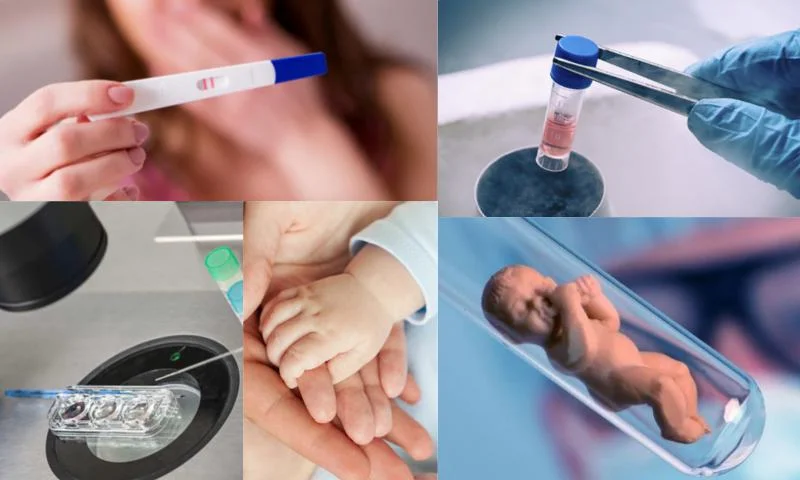
Couples who want to have children and are still having difficulty conceiving after a long period of unprotected sexual intercourse resort to IVF treatment. In IVF treatment, eggs taken from the mother-to-be and sperm taken from the father-to-be are brought together in a suitable laboratory environment to achieve fertilization, and the resulting embryo is placed in the mother's uterus. However, the quality of the egg obtained from the mother-to-be is of great importance for this entire process to be carried out. Sometimes, quality eggs cannot be obtained due to problems such as entering menopause at an early age, decreased ovarian reserve, desire to get pregnant at an advanced age, and hormonal imbalances. In IVF treatment, before the egg revival process, the mother-to-be's eggs are counted and stimulated. The treatment applied to the mother-to-be ensures the formation of quality and healthy eggs. Healthy eggs obtained after the egg revival process can be fertilized with healthy sperm taken from the father-to-be.
How is Egg Revival Performed?
The uterus and ovaries of the mother-to-be who wants to get pregnant are examined using ultrasound on the 2nd or 3rd day of her menstrual period. At the same time, if the doctor deems it necessary, hormone levels can also be examined with a blood test, and the medications and their dosages to be used are decided. After the egg revival treatment begins, the mother-to-be undergoes checks and examinations. During the egg revival treatment, the condition of the eggs is monitored with ultrasound. After the egg revival process, the mother-to-be's uterine checks are also performed, and the thickening of the endometrium layer in the uterus is checked. This tissue is where the embryo, formed from the fertilization of healthy eggs from the mother and healthy sperm from the father, will attach. You can visit online sites on web pages to get more information and examine all these treatments and methods.