
Lemon Tree Care: Fundamentals for Healthy Growth at Home and in the Garden

Lemon tree care can be easily done in both home and garden environments when the right conditions are provided. Lemon trees love warm climates, but with proper care, they can be grown in different regions. First and foremost, choosing the right soil is critical for the development of lemon trees. Light, permeable, and humus-rich soils allow the roots to breathe freely. For lemon trees grown in pots, a pot with drainage holes should be preferred to prevent excess water from accumulating at the roots. When caring for lemon trees, attention must be paid to sunlight; a location that receives at least 6 hours of sunlight daily supports the plant's strong growth. You can look at related online companies on web pages to get information on this matter and ask your questions, and you can examine them in detail from here.
Lemon Tree Care: Watering, Fertilizing, and Light Balance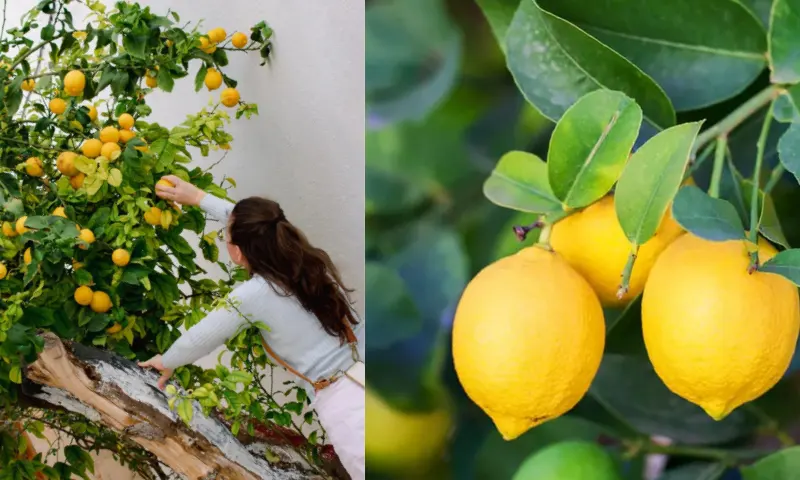
When it comes to lemon tree care, watering is one of the most important steps. The soil of the lemon tree should be kept slightly moist, without completely drying out and cracking. Excessive watering can cause root rot, so a controlled routine should be followed. Fertilization should be done regularly, especially during the spring and summer months. Special fertilizers suitable for citrus plants increase the yield and leaf quality of the lemon tree. Light balance is also a critical factor for lemon tree care. Lemon trees that receive insufficient light may shed leaves or their growth may slow down. For lemons grown at home, the windowsill should be preferred if possible, and plant lamps can be used in winter to increase the amount of light. This way, the lemon tree can be kept healthy all year round.
Lemon Tree Care and Pruning, Pest Control Recommendations
Regular pruning when caring for a lemon tree increases both the plant's shape and yield. Pruning should generally be done at the beginning of spring, and branches that grow inwards or are dry should be removed. This process allows the tree to get air, reducing the risk of diseases. Pests such as aphids, red spider mites, or mealybugs, which are common in lemon trees, can negatively affect the plant's development. Therefore, it is important to perform regular checks and intervene early. Among natural methods, a mixture of neem oil and soapy water is quite effective. Additionally, repotting every 2–3 years during lemon tree care is beneficial for the roots to relax and the soil to be refreshed. When all these steps are applied, your lemon tree will continue to grow with abundant leaves and be productive.