
The History of Kınalı Ada: Istanbul's Silent Witness

The history of Kınalı Ada dates back to the Byzantine Empire. Kınalı, the smallest of the Princes' Islands in the Sea of Marmara, was used as a place of exile in the past. During the Byzantine period, some members of the imperial families were sent here for political reasons. In this regard, the island has been a silent witness to Istanbul's political history. Furthermore, the Byzantines used the island's stone quarries in the construction of Hagia Sophia and other important structures in Istanbul, which increased Kınalı's historical significance. For information on this subject and to ask the questions you are curious about, you can look at the relevant online firms on the internet pages and examine them in detail from here.
Kınalı Ada in the Ottoman Period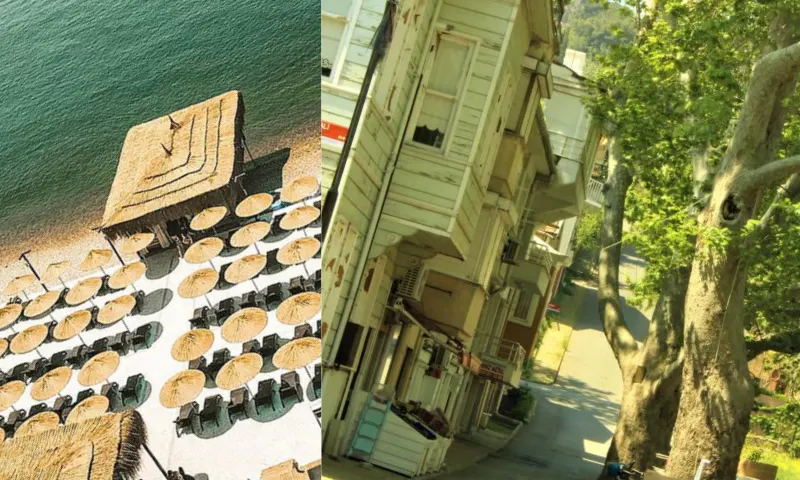
During the Ottoman period, Kınalı Ada was particularly preferred as a summer resort. From the 16th and 17th centuries onwards, the island attracted the attention of wealthy families and statesmen, and over time it became a settlement where different cultures lived together. The island, where Armenian, Greek, and Turkish populations lived together, attracted attention with its multicultural structure. Churches and monasteries built during the Ottoman period shaped the religious and cultural life of Kınalı Ada. At the same time, this period was the years when the island's natural beauties were discovered and social life developed.
Kınalı Ada in the Republican Period and Today
With the declaration of the Republic, Kınalı Ada became an important tourism spot for both the people of Istanbul and foreign visitors. With the modernization process, the island stood out with its summer houses, beaches, and social life. Today, Kınalı Ada continues to host its visitors with its historical structures, monasteries, churches, and natural beauties. Although not as crowded as Büyükada or Heybeliada, it is one of the frequented places for history enthusiasts and nature lovers with its calm atmosphere. The historical texture of Kınalı Ada is still felt today in its narrow streets and architectural structures.