
Types of Solar Panel Systems
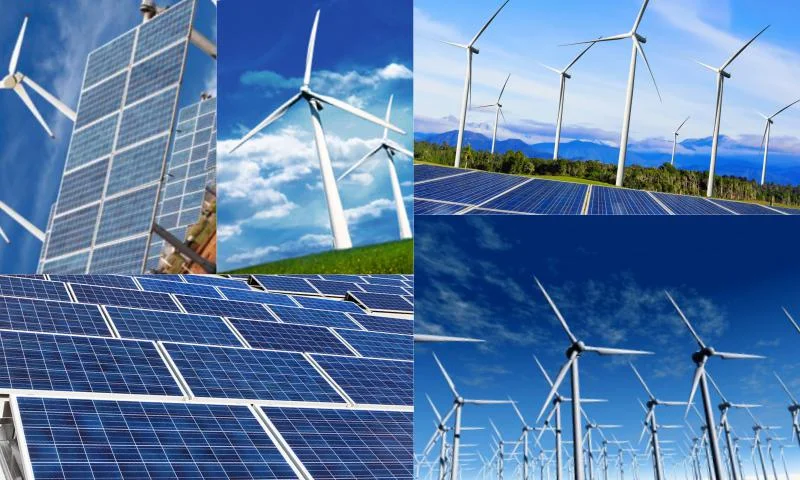
Solar panels, described as an energy source, are a tool that allows for the absorption of solar energy. These panels, depending on their size and function, can meet the entire electricity needs of the area they are located in. Solar panels, available in different types for domestic and industrial applications, can increase efficiency with the performance of the solar cell on them. Panels that help convert electricity of specific wavelengths into light can be directed towards the sun at varying angles according to different seasons. This allows for increased yield from the panel. In solar panel power plants, which have two different systems, photovoltaic and thermal, photovoltaic systems enable the conversion of DC electrical frequencies to AC electricity. Thermal systems, on the other hand, allow solar rays to be transmitted to a target point through special mirrors. Water or oil at this point is heated. Thermal systems, which enable the conversion of mechanical energy into kinetic energy through steam pressure, maintain their position among solar power plant types.
Unique Options in Terms of Cost and Efficiency
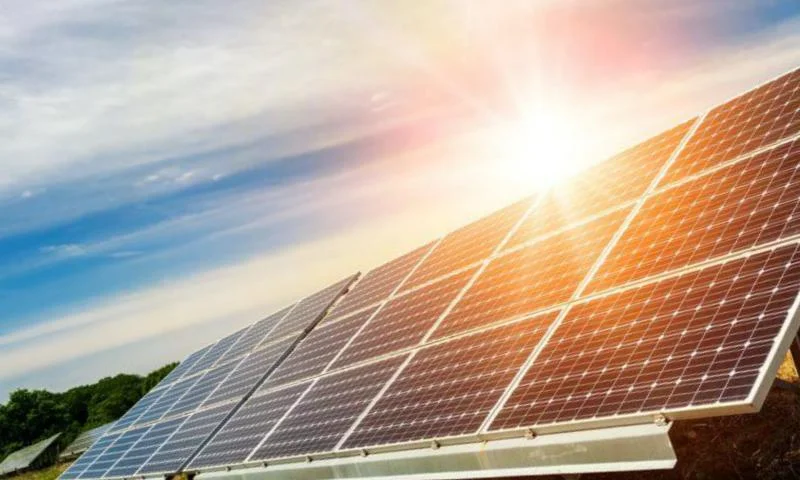
Systems that ensure both environmental protection and cost savings with unique options can be used for projects of all scales. The systems, which reduce dependence on petroleum-based energy sources, also create new employment areas. The use of solar energy, which is among renewable energy sources, offers great advantages in terms of cost and efficiency. The systems, which amortize the investment cost within a few years and provide free electricity for the remaining period, ensure the continuous supply of electricity through storage devices. Since solar energy is among inexhaustible energy sources, it is accessible to everyone. The use of these devices, which have become very popular in recent years and are marketed at more affordable prices and with higher quality through relevant online companies on web pages, is becoming more widespread every year.