
Flatfoot Treatment: What is Flatfoot and What Causes It?

The topic of flatfoot treatment is one of the most frequently researched issues related to foot health. Flatfoot is a condition that occurs as a result of the arch structure in the sole of the foot not developing sufficiently or collapsing over time. In a normal foot, there is an inward arch in the sole, and this structure distributes body weight evenly while walking. However, in the case of flatfoot, this arch is not prominent, and the sole of the foot almost completely touches the ground. Conditions requiring flatfoot treatment can generally arise from prolonged standing, improper footwear, genetic factors, or weakening of muscles and connective tissues. Flatfoot seen in childhood can often be part of the developmental process and may resolve spontaneously with age. However, in some individuals, this condition can become permanent and lead to pain, fatigue, or balance problems while walking. Therefore, early evaluation is crucial when flatfoot symptoms are observed. To get information on this subject and ask your questions, you can look at relevant online companies on internet pages and examine them in detail from there.
Flatfoot Treatment: Applied Treatment Methods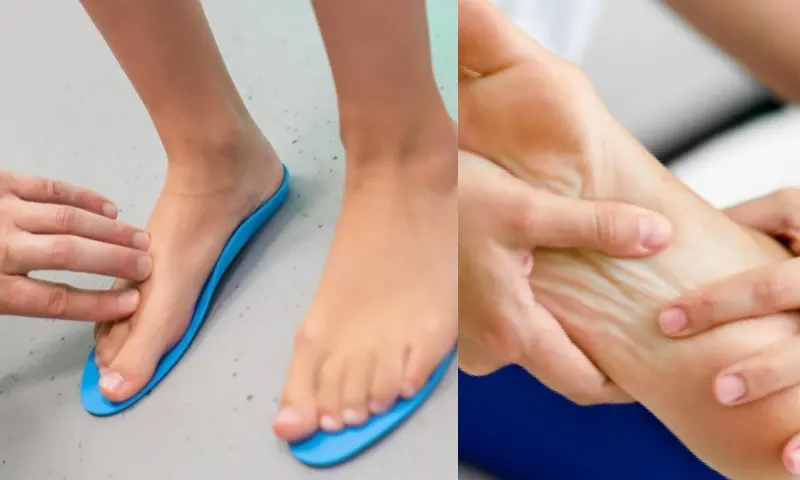
Flatfoot treatment involves methods that can vary from person to person. In mild cases, surgical intervention is usually not required, and supportive treatments are preferred. The use of orthopedic insoles is one of the most frequently applied methods in the flatfoot treatment process. These insoles support the arch of the foot, balancing the pressure generated during walking. Regular exercises are also very beneficial for flatfoot treatment. Exercises that strengthen the foot muscles can help support the arch of the foot. Additionally, choosing appropriate footwear plays an important role in the treatment process. Shoes with support and an orthopedic structure help protect the foot's structure. In some advanced cases, doctors may recommend physical therapy or surgical methods. However, surgery is generally considered a last resort. Evaluation by a specialist orthopedic doctor is very important during the flatfoot treatment process.
Flatfoot Treatment: What to Pay Attention to in Daily Life
Flatfoot treatment is not limited to medical applications; precautions taken in daily life also support the treatment process. First of all, in situations requiring prolonged standing, the feet need to be rested. Walking and performing simple exercises to strengthen foot muscles can be very beneficial for flatfoot treatment. Avoiding walking on hard surfaces for long periods also helps protect foot health. Individuals with flatfoot problems are advised to prefer models that provide orthopedic support instead of high heels or completely flat shoes. In addition, regular doctor check-ups are also very important. Flatfoot cases detected early can be brought under control more easily. Acting consciously about flatfoot treatment and taking necessary precautions greatly contributes to protecting foot health and improving daily quality of life.