
What is Non-Surgical Prostate Treatment?
What are the Advantages of Non-Surgical Prostate Treatment?
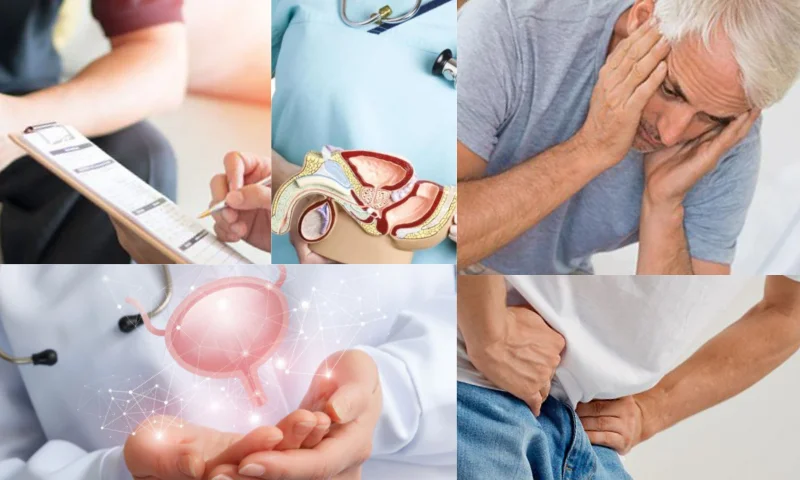
Non-surgical prostate treatment is a method used to treat patients diagnosed with benign prostatic hyperplasia. This method, known as prostatic artery embolization, treats this condition through angiography. With this method, the prostatic artery is narrowed and the gland is reduced by blocking the prostatic arteries with special plugs, applying pressure to the prostate gland. Thus, the patient's complaints decrease and the disease is eliminated. This method has been applied in many parts of the world for many years and yields very good results. The operation time can range from approximately 45 minutes to 2 hours. After the procedure, the patient is taken to the room and kept under observation for 4-5 hours. The patient is then discharged on the same day. You can get detailed information about non-surgical prostate treatment from the website of Dr. Ali Yurtlak, who has achieved great success in the field of interventional radiology, and you can contact him for an examination.
Who is Non-Surgical Prostate Treatment Performed On?
When non-surgical prostate treatment is applied, minimal incision is made. Therefore, there is no bleeding. Anesthesia is not required. The patient is discharged from the hospital on the same day the procedure is performed. Since your recovery time is very fast, you can return to your daily routines immediately. The side effects of this procedure are negligible. Side effects such as sexual dysfunction or retrograde ejaculation are very rare. One of the biggest advantages of non-surgical prostate treatment is that the factors causing the disease are permanently resolved. In other words, the probability of the disease recurring is extremely low. Non-surgical prostate treatment is applied to all patients diagnosed with benign prostatic hyperplasia. The angiographic treatment method is applied to individuals with moderate and advanced stages of the condition, as well as to patients who do not respond to drug treatment. Finding an expert doctor for this method is very important.