
What is Smile Design and Why is it Important?

Smile design is the customized arrangement of teeth dimensions, colors, and shapes to create an aesthetic and functional smile. This process, also known as smile aesthetics, is carried out with both health and aesthetic concerns in mind. Correcting crooked, worn, missing, or discolored teeth increases an individual's self-confidence and improves their daily quality of life. Smile design not only provides an aesthetic appearance but also helps improve chewing function and protect tooth structure. With modern technology, these procedures ensure a natural-looking appearance that is compatible with the individual's natural tooth structure. Furthermore, because smile design is personalized, factors such as facial features, lip structure, and skin tone are taken into consideration. To get information on this subject and ask your questions, you can check the relevant online companies on internet pages and review them in detail.
Techniques and Applications Used in Smile Design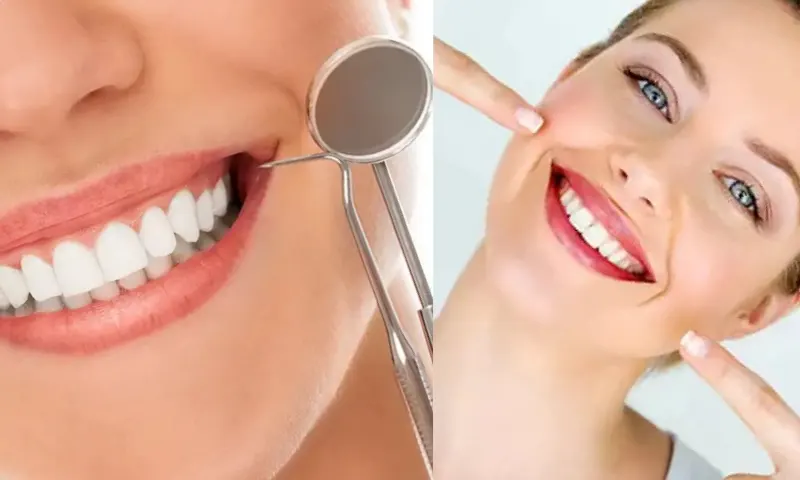
The techniques used in smile design represent the latest advancements in dentistry. One of the most common applications is porcelain veneers. These thin veneers are adhered to the front surface of the teeth to achieve a smoother and whiter appearance. The bonding technique is preferred for repairing minor cracks and chips in teeth. Additionally, teeth whitening procedures are an important part of smile design. Zirconia veneers, which offer a more comprehensive solution, combine aesthetics and durability. Implant applications, especially used to address missing teeth, provide a natural look and restore oral functions. Thanks to the digital technologies used in smile design, patients can see how their teeth will look in three dimensions before treatment and actively participate in the process.
The Importance of Aftercare in Smile Design
After smile design procedures are completed, regular care is important to maintain the obtained results for a long time. Daily oral hygiene starts with basic habits such as paying attention to regular brushing and flossing. Furthermore, individuals who have undergone smile design should regularly visit their dentist for early diagnosis of potential problems. Avoiding chewing hard foods helps prevent damage to the teeth. Individuals who have had aesthetic veneer procedures, in particular, should avoid abrasive toothpastes and hard brushes. Avoiding habits that negatively affect tooth color, such as smoking and coffee, also helps maintain the brightness of the teeth. Smile design is not just an aesthetic intervention, but also a process that enhances an individual's quality of life. These personalized applications offer a healthy and confident smile. With proper care and attention, the results of smile design can be enjoyed for many years.