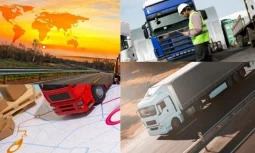
The History and Development of Air Transport

Air transport began in the early 20th century with the first flight by the Wright brothers and developed rapidly. The first commercial flights started in the 1910s, during which aircraft were used for mail transport. Over time, with technological advancements, air transport has shown significant growth in both passenger and cargo transportation. After World War II, with the development of jet engines and the privatization of airlines, air transport became faster, safer, and more accessible. Today, thanks to modern aircraft and extensive airline networks, it has become possible to reach almost every point on earth quickly and comfortably. For information on this subject and to ask your questions, you can look at the relevant online companies on web pages and examine them in detail from here.
Advantages and Economic Contributions of Air Transport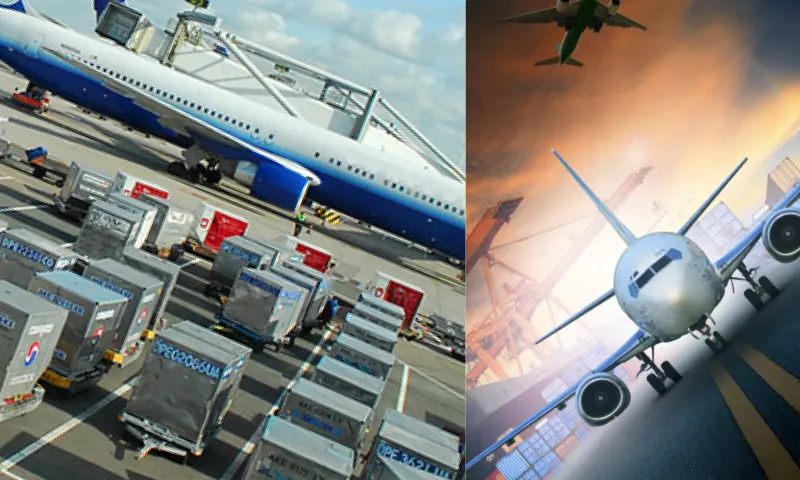
Air transport offers significant advantages over other modes of transportation in terms of speed and efficiency. For international and long-distance travel, air transport is the fastest option, allowing passengers to save time. Additionally, air transport provides broad geographical reach and offers connections to distant points worldwide. This situation greatly contributes to the development of global trade and tourism. Air transport also plays a crucial role economically. Airports provide employment for thousands of people, directly and indirectly, and make significant contributions to local economies. Furthermore, air transport increases the volume of trade between countries and supports economic growth.
Sustainability and Future Trends
Air transport faces various challenges in terms of environmental sustainability. Aircraft fuel consumption and carbon emissions have negative impacts on the environment. Therefore, the aviation industry is working intensively to develop more environmentally friendly and sustainable solutions. Innovations such as alternative fuels, electric aircraft, and more efficient engine technologies aim to reduce the environmental impact of air transport. Moreover, digitalization and smart air traffic systems are making flight operations more efficient and safer. In the future, innovative technologies such as autonomous aircraft and supersonic flights are expected to become more widespread in air transport. Air transport is an indispensable mode of transportation in the modern world, offering significant advantages in terms of speed, efficiency, and global connectivity. However, environmental sustainability and technological innovations are of critical importance for the future of the sector. Air transport will continue to evolve by overcoming these challenges towards a greener and more technologically advanced future.