
In Which Sector Did the Industrial Revolution Begin?
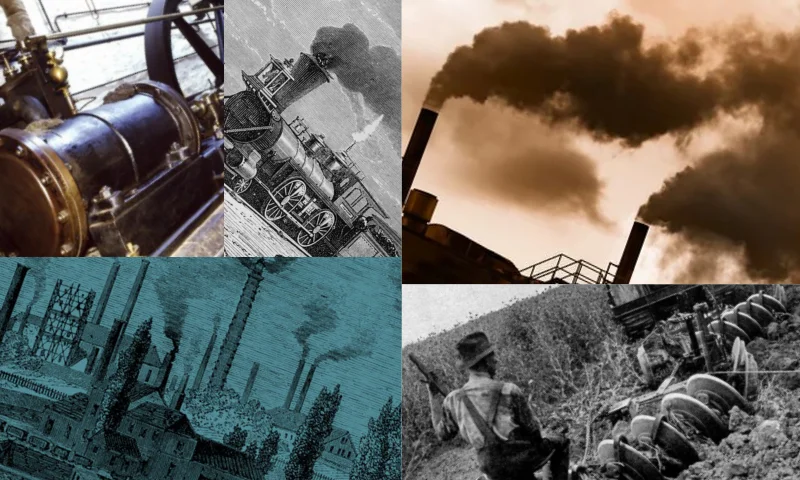
The Industrial Revolution, also known as the Industrial Revolution, is the significant increase in production in European countries due to new inventions increasing production and the use of steam-powered machines in industry. The Industrial Revolution began in the 18th and 19th centuries. The Industrial Revolution first emerged in England, then spread to Western Europe, the USA, and Japan, and then to all countries of the world. As a result of the Industrial Revolution, the system of workers going to large buildings, i.e., factories, and working by enabling large machines to operate, emerged. The Industrial Revolution first appeared in the iron-steel and textile sectors. With John Kay's invention of the flying shuttle in 1733, significant developments were seen in the textile field. In 1698, Thomas Savery produced the first commercially sold steam engine. This machine, used to pump water out of mines, was met with great interest at the time and paved the way for new ideas to emerge and be produced. Later, James Watt's work on the steam engine accelerated the Industrial Revolution. James Watt made great contributions to machine history and mechanical engineering. For information on this subject and to ask your questions, you can look at the relevant online companies on the internet pages and examine them in detail here.
Causes of the Industrial Revolution
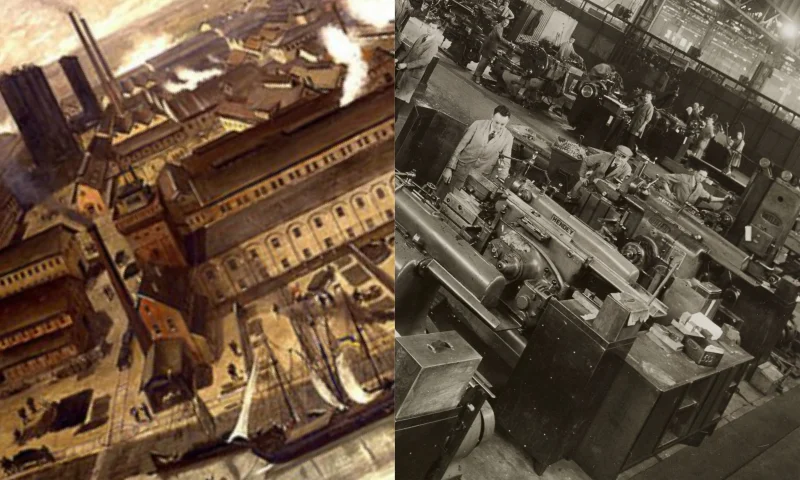
- In addition to intellectual reasons, the reasons given below led to the Industrial Revolution.
- The rapid increase in the population of Europe
- The increasing importance of banking and insurance activities
- The formation of a social structure suitable for the Industrial Revolution as a result of the French Revolution
- The emergence of rational thinking methods in sciences and the impact of scientific activities on technological developments
- As a result of developments in agriculture, the migration of agricultural labor to cities, thus creating a workforce ready for industry
- The use of raw materials brought from colonial activities in industry, their processing, and then their resale to the colonies
- The enrichment of the middle class creating a driving force
- Innovations in transportation and technology
Consequences of the Industrial Revolution
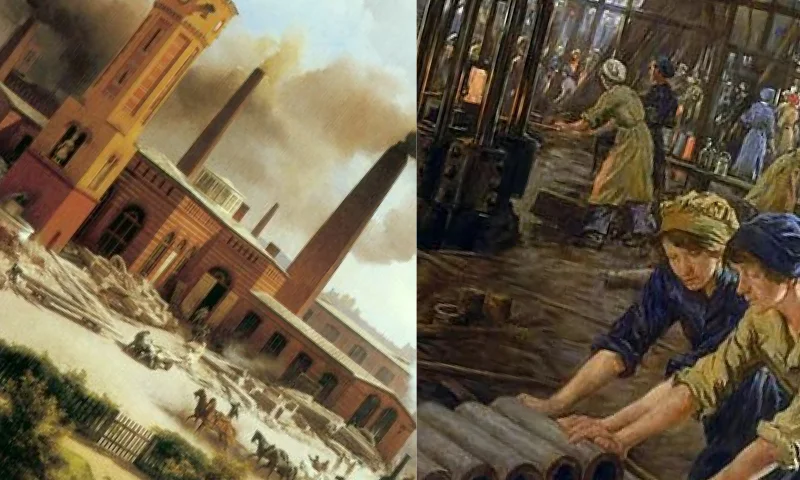
The Industrial Revolution led to a series of developments that profoundly affected the entire world. These consequences, which deeply affected every aspect of human life, are given below.
- The urban population increased, and as a result, social problems, urbanization, and infrastructure problems arose in cities.
- The working class emerged, and this led to socialism.
- Colonial activities increased due to the need for raw materials and the search for markets for surplus goods.
- Environmental problems occurred as a result of the increase in factories, the use of steam-powered machines in industry, the increase in the use of fossil fuels, and the increase in transportation.
- The general standard of living increased, and access to goods previously considered luxuries became easier for people.
- Scientific and technical developments accelerated thanks to the Industrial Revolution.
Due to the increase in scientific activities, deadly diseases such as malaria, yellow fever, and plague, which caused millions of people to lose their lives, were eradicated, and thus human life expectancy increased.