
ESWL Device
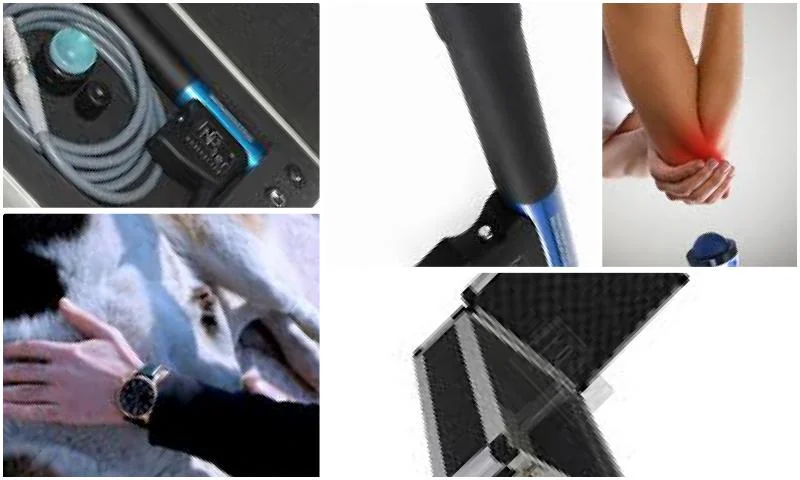
ESWL devices, also known as stone breaking devices, are being developed with the latest systems. There are three types of stone breaking devices: piezoelectric, electromagnetic, and electrohydraulic. For detailed information, you can visit the address. There is no difference in stone breaking success rates among these devices. In terms of stone imaging and focusing, there are 2 types of devices. Fluoroscopic devices are the most commonly used. For stones that do not appear on X-rays, ultrasonographic device systems are more suitable. ESWL is an effective and suitable method for 90% of urinary system stones. The discovery of the device dates back to the 1980s. The ESWL system is used for kidney stones smaller than 2 cm, especially 1 cm in size, upper ureter stones, and kidney stones after open surgery. The ESWL system is not applied to patients with bleeding problems, pregnancy, blockages in the urinary system below the stone, aneurysms close to the kidney, or pacemakers.
Treatment Process
The patient's general assessment is made. If there is no contraindication, the ESWL procedure should be initiated. It is performed without anesthesia. In individuals with a low pain threshold and in children, it is performed with anesthesia. The use of ESWL devices has increased in recent years. Success rates with ESWL devices are quite high. No side effects are observed after fragmentation of kidney stones. The patient can return to their daily life after the procedure. The patient is called for a follow-up examination 3 to 7 days later, and if the stone has not fragmented, another ESWL session is applied. If there is no fragmentation of the stone, alternative stone treatment methods are used.