
Gallbladder Surgery
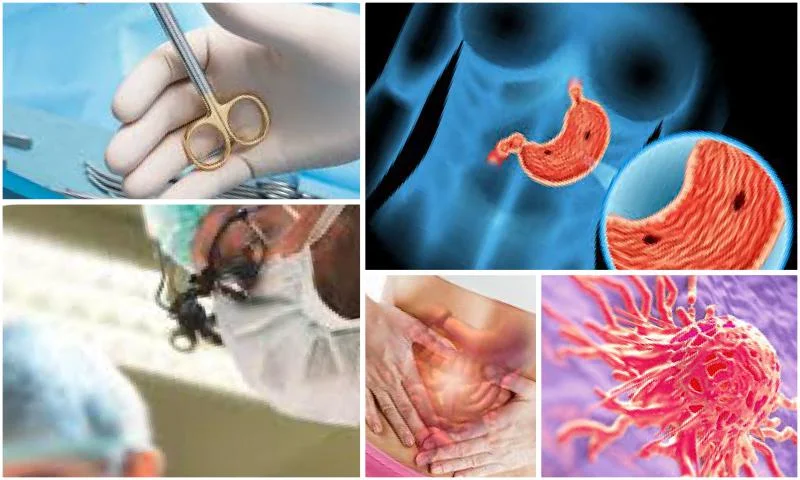
What is Gallstone? How is it Diagnosed?
The gallbladder is a teardrop-shaped sac located just next to the liver. The gallbladder's function is not to produce bile. The gallbladder stores excess bile produced by the liver when food is not being eaten. During eating, it constricts and sends the bile inside first to the bile ducts. From the bile ducts, it is sent to the duodenum.
For detailed information, you can visit the page. Among gallbladder diseases, the most common conditions are inflammation due to stones, pancreatitis, and bile duct obstruction.
Gallbladder Surgery
Gallstone is the name given to stone-like formations that occur with the precipitation and hardening of bile. They can be of different sizes. Their formation is not known. Symptoms of gallstones include diabetes, obesity, and advancing age. Gallstones must be intervened. Depending on the diagnosis, the problem should be solved with open or closed gallbladder surgery. Gallstone diagnosis should be made with both symptoms and ultrasound. Bile ducts, gallbladder wall dimensions, and the presence of gallstones should be examined. It is diagnosed with MRI and CT scan alternatives.
The treatment method performed with gallbladder surgery varies depending on the location of the gallstones, their anatomical location, and their condition. Gallbladder surgery is essential in the treatment of gallstones. It can be performed in two ways: open or closed. Nowadays, laparoscopy, the closed method, is preferred. In this method, holes are created in the abdominal region without opening a large incision, and the surgery is performed through these holes. The point to be noted is that the gallbladder must be removed as a whole. With this method, it is experienced with less pain, faster recovery, and less pain compared to open surgery. As a result of the intervention, the gallbladder is completely removed along with the stones inside.