
What are Varicose Veins and Why Do They Occur?
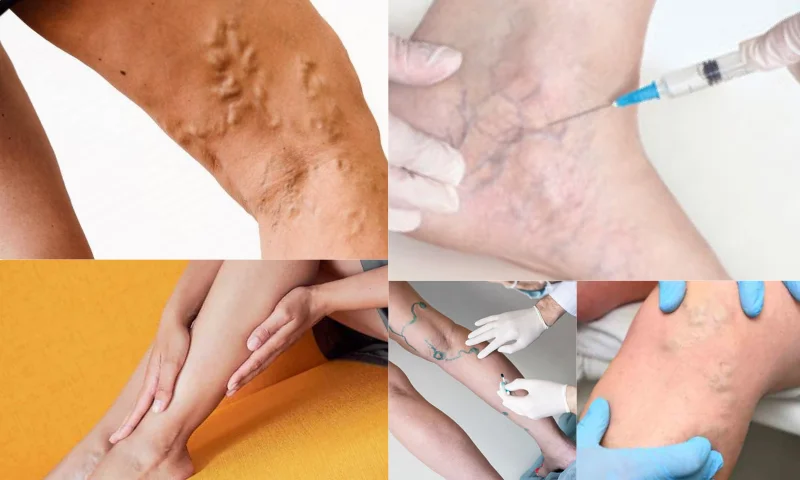
Varicose veins are defined as enlarged, and therefore swollen and purplish, veins that are usually seen in the legs. These enlarged veins result from weakening of the vein walls. Normally, some of the blood pumped by the heart flows into the veins in the legs, and the one-way valve system prevents backflow of blood. However, if these valves weaken or are damaged, blood flows backward and the veins enlarge. As a result, the slow flow of blood inside the veins causes blood to accumulate in the veins and swelling. Varicose veins are usually caused by factors such as genetic predisposition, age, obesity, immobility, pregnancy, and hormonal changes. You can look at related online companies on internet pages to get information on this subject and ask your questions, and you can examine them in detail from here.
Varicose Vein Treatment and Preventive Measures
Varicose vein treatment can vary depending on the severity of the condition and the symptoms. In some mild cases, you can alleviate symptoms with home remedies. For example, rest your legs, avoid extreme temperatures, exercise regularly, and keep your legs elevated. However, if varicose vein symptoms are severe or impede blood flow, treatment may be necessary. Treatment options may include procedures such as injecting a chemical solution called sclerotherapy into the varicose veins, laser therapy, surgical treatment, and endovenous ablation. You can also take preventive measures to protect yourself from varicose veins. For example, control your weight, exercise regularly, keep your legs elevated, avoid tight clothing, move frequently, and avoid extreme temperatures. Also, take regular short breaks to avoid prolonged standing or sitting positions. Additionally, following your doctor's recommendations during pregnancy can help prevent varicose veins.
Ways to Prevent Varicose Veins
There are some steps you can take to prevent varicose veins. First of all, regular exercise improves your blood circulation and strengthens your leg muscles. This reduces the occurrence of varicose veins by preventing blood from accumulating in the legs. You can do low-impact exercises such as walking, cycling, or swimming to increase your movement. Also, keeping your legs elevated helps blood flow more easily from your legs to your heart. Avoid prolonged standing or sitting positions and move your legs regularly if possible. Avoiding tight clothing and wearing appropriate shoes can also improve your blood circulation.